
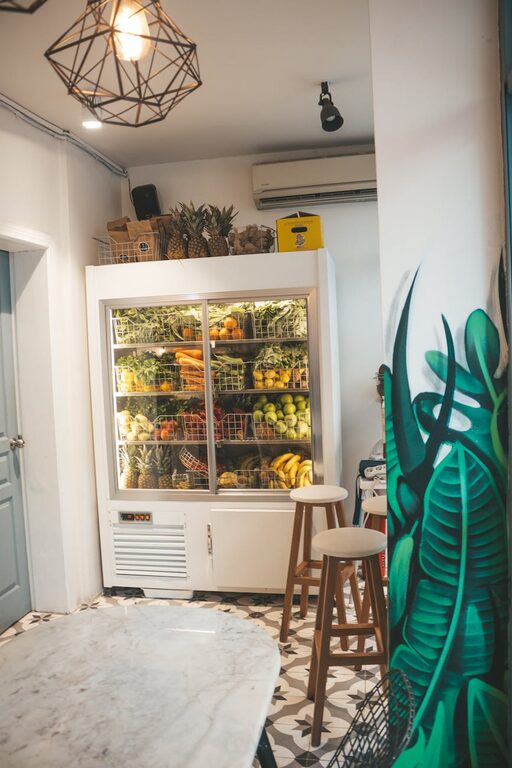
How to Keep a Tidy Fridge and Pantry: Simple Tips for Organized Storage
Keeping a tidy fridge and pantry is a game-changer for any kitchen. Not only does it help you find what you need quickly, but it also reduces food waste and keeps your ingredients fresh longer. If you’ve ever opened your fridge to find expired items or a cluttered shelf, you know the frustration it can cause. Fortunately, organizing your fridge and pantry doesn’t have to be overwhelming. With some straightforward strategies, you can maintain an orderly space that supports your cooking and healthy eating habits.
Why Organize Your Fridge and Pantry?
Before diving into tips, it’s worth understanding the benefits of keeping these areas tidy:
– Save Time: Easily locate ingredients and plan meals with less stress.
– Reduce Waste: Avoid letting food expire unnoticed.
– Improve Food Safety: Minimize the risk of cross-contamination and spoilage.
– Streamline Grocery Shopping: Know exactly what you have and what you need.
Preparing to Organize: What You’ll Need
Gather a few essentials to help you during the organizing process:
– Cleaning supplies (mild soap, sponge, cloths)
– Storage containers or baskets
– Labels and markers
– Trash or recycling bags
– A notebook or smartphone for inventory
How to Organize Your Fridge
Your fridge typically has several zones, each ideal for certain types of food. Organizing with these zones in mind maximizes freshness and keeps your space neat.
Step 1: Empty and Clean
Start by removing everything. Check expiration dates and toss anything spoiled or old. As you empty the fridge, wipe down shelves and drawers with a mild cleaning solution. Dry thoroughly before putting food back.
Step 2: Zone Your Fridge
– Top Shelves: Best for ready-to-eat foods like leftovers, drinks, or dairy products.
– Middle Shelves: Store eggs, cheese, yogurt, and other dairy.
– Bottom Shelves: Ideal for raw meat, poultry, and fish. Keep these on a plate or in a tray to catch drips.
– Crisper Drawers: Use these for fruits and vegetables. Some fridges have adjustable humidity settings—use low humidity for fruits and higher humidity for vegetables.
– Door Compartments: Store condiments, juices, and butter here. Avoid putting eggs or milk in the door, where temperatures fluctuate.
Step 3: Use Clear Containers and Labels
Place smaller items in clear containers or bins to keep similar foods grouped together. Label these containers for easy identification. This also helps you keep track of leftovers and opened items.
Step 4: Practice the FIFO Principle
FIFO stands for “First In, First Out.” Place newer groceries behind older ones so you use up older items first, reducing waste.
How to Organize Your Pantry
A well-organized pantry can inspire creativity in cooking by making your ingredients easy to find.
Step 1: Clear It Out
Empty your pantry completely. Check for expired or stale items and throw them away. Give shelves a quick wipe down.
Step 2: Categorize Your Items
Group foods by type for easy access. Typical categories include:
– Baking supplies
– Grains and pasta
– Canned goods
– Snacks
– Spices and herbs
– Breakfast foods
– Oils and vinegars
Step 3: Use Containers and Bins
Invest in airtight containers for items like flour, sugar, rice, and cereals. Clear containers help you see when you’re running low. Use baskets or bins for grouping smaller packets or snack bags.
Step 4: Label Everything
Label shelves and containers. Labels keep everyone in the household on the same page and make maintenance simpler.
Step 5: Arrange by Frequency of Use
Keep everyday items within easy reach, while placing less frequently used items higher up or towards the back.
Maintenance Tips to Keep Your Fridge and Pantry Tidy
– Weekly Quick Check: Take a few minutes each week to throw out expired food and wipe shelves if needed.
– Meal Planning: Plan meals around what you already have to avoid overbuying.
– Shopping List: Update your shopping list based on pantry inventory to prevent duplicate purchases.
– Assign Zones: Let family members know where items belong for easy return after use.
– Rotate Items: Regularly rearrange so older items stay visible and get used first.
Bonus Tips for a Fresh-Smelling Fridge and Pantry
– Place an open box of baking soda inside your fridge to absorb odors. Replace every 3 months.
– Use natural sachets of dried lavender or cedar blocks in your pantry to keep it smelling pleasant.
– Avoid storing onions and potatoes together; they spoil faster when placed nearby.
Final Thoughts
Keeping your fridge and pantry tidy may take a little effort upfront, but the payoff is well worth it. A neat kitchen storage system reduces stress, saves money, and supports healthier eating habits. Start with small changes today and enjoy a more organized kitchen tomorrow.
Happy organizing!
